
Can Economic Sanctions Bring Political Change? The US-Cuba Embargo Explained
The United States’ longstanding economic embargo against Cuba has returned to the international spotlight ahead of a United Nations General Assembly vote scheduled for October 27- 28, 2026.
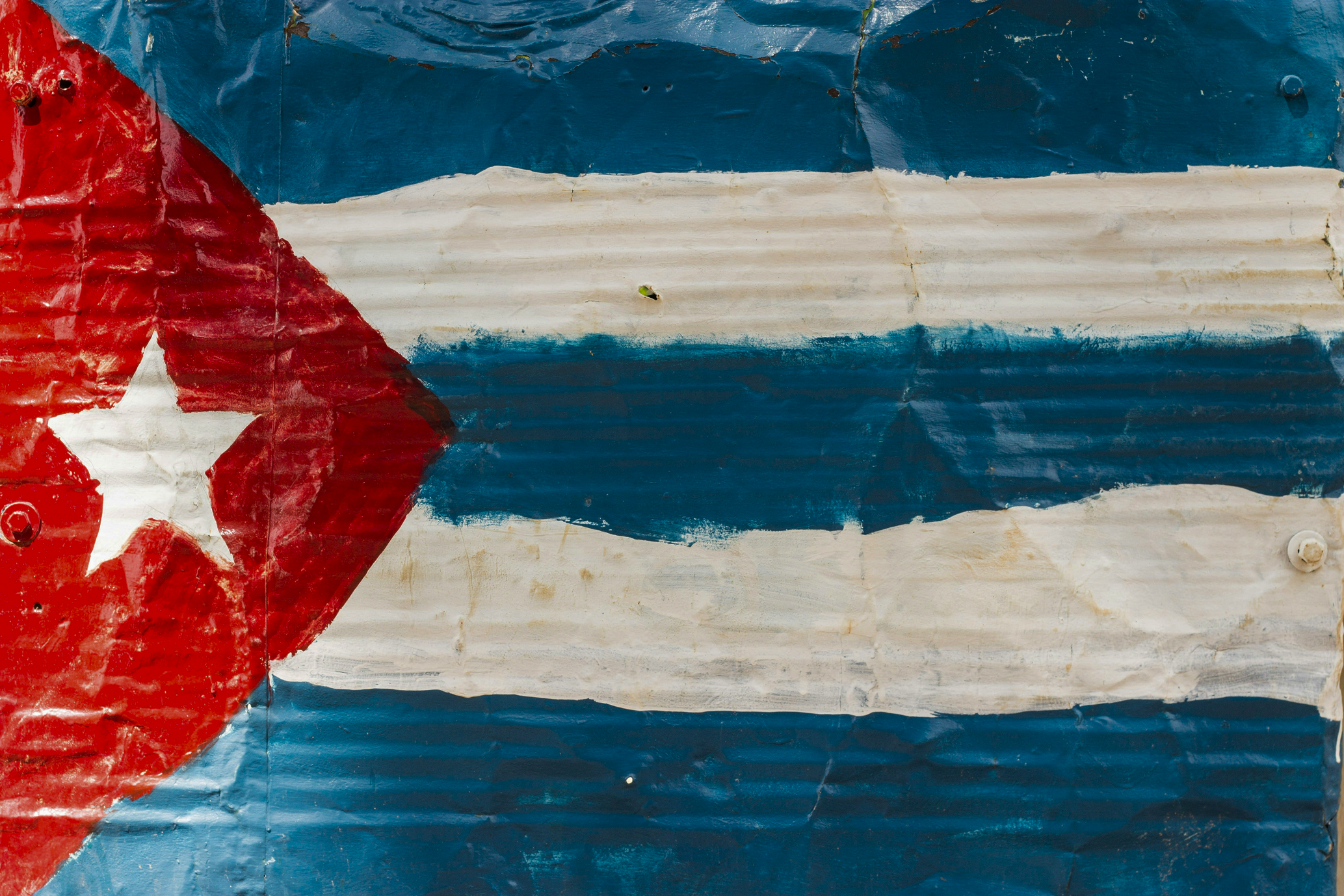
For more than six decades, the United States has maintained an economic embargo against Cuba, making it one of the longest-running sanctions regimes in modern international relations. This week, tensions between Washington and Havana have intensified as US Secretary of State Marco Rubio urged Cubans seeking political change to seize what he described as an opportunity to act. His remarks came as President Donald Trump renewed his threats against the Cuban government, bringing the long-standing dispute back into the international spotlight.¹
The embargo dates back to 1962, following the Cuban Revolution and the deterioration of relations between the two countries during the Cold War. Since then, Washington has used economic restrictions as a means of pressuring Havana over its political system and human rights record. The Cuban government, however, has consistently condemned the embargo as economic coercion that undermines national sovereignty and contributes to the country’s economic hardship. Despite decades of restrictions, the policy has not brought about the political transformation sought by successive US administrations.
The latest developments signal a more confrontational approach. On October 23, 2026, Trump told a campaign rally in Florida that US naval vessels returning from the conflict with Iran could stop near Cuba, adding that Rubio would subsequently be sent to handle the situation. Rubio, meanwhile, called on Cubans seeking political change to pursue what he described as a discreet partnership with the Central Intelligence Agency (CIA). The statements prompted criticism from Cuban officials, who portrayed Washington’s remarks as evidence of desperation and an attempt to interfere in Cuba’s internal affairs.² Although the comments do not constitute a formal announcement of military intervention, they have intensified concerns about the possibility of further escalation.
The confrontation is unfolding as Cuba faces a severe economic and energy crisis. Fuel shortages, prolonged electricity blackouts, inflation, and shortages of essential goods have placed additional pressure on the population. The Trump administration has intensified its campaign against Havana through further sanctions and restrictions on fuel supplies, worsening an already difficult economic situation.³ Nevertheless, the crisis cannot be attributed exclusively to US policy. Domestic economic mismanagement, structural weaknesses, and declining productive capacity have also contributed to Cuba’s difficulties. Understanding the situation therefore requires examining both the effects of external pressure and the challenges within Cuba itself.
The dispute has also moved into the arena of multilateral diplomacy. On October 19, US and Cuban representatives exchanged accusations at the United Nations ahead of the General Assembly’s annual vote on a resolution calling for an end to the embargo.⁴ Cuba subsequently accused Washington of pressuring other countries to oppose the resolution, including through the threat of economic and diplomatic consequences. The United States, meanwhile, urged member states to reject the resolution, arguing that it failed to adequately address the Cuban government’s human rights record.⁵ These competing positions illustrate how the UN has become a platform for both governments to seek international legitimacy for their respective policies.
The upcoming vote, scheduled for October 27-28, is expected to carry considerable diplomatic significance. Previous resolutions calling for an end to the embargo have received overwhelming support from UN member states. However, General Assembly resolutions of this kind are non-binding and cannot automatically compel the United States to lift its restrictions. A substantial change in policy would require action through the US legal and political system, including Congress.⁶ Consequently, the vote is unlikely to resolve the dispute immediately, but it will demonstrate the extent of international opposition to the embargo.
Ultimately, the US-Cuba dispute raises a fundamental question for international relations: can economic sanctions achieve political change without imposing disproportionate costs on ordinary citizens? Supporters of sanctions argue that economic pressure can hold governments accountable for repression and human rights violations. Critics counter that prolonged restrictions can deepen humanitarian hardship while failing to produce the political outcomes they are intended to achieve. The latest confrontation between Washington and Havana demonstrates that the issue extends beyond a bilateral disagreement. It also concerns the limits of economic coercion, the principle of national sovereignty, and the effectiveness of multilateral diplomacy in addressing international disputes.
As the international community prepares for the upcoming UN vote, the future of the US-Cuba embargo remains uncertain. What is clear, however, is that more than sixty years of economic pressure have yet to settle the fundamental disagreement between the two countries. Whether renewed pressure will produce meaningful political change or deepen an already severe crisis remains an important question for policymakers and the international community.