
The Cost of Living Crisis Is No Longer Just About Money : What Is Driving Europe’s Unrest?
What was originally intended to be a series of uncoordinated, peaceful marches demanding affordable housing and fair wages rapidly degenerated into some of the most violent riots Europe has witnessed in decades.
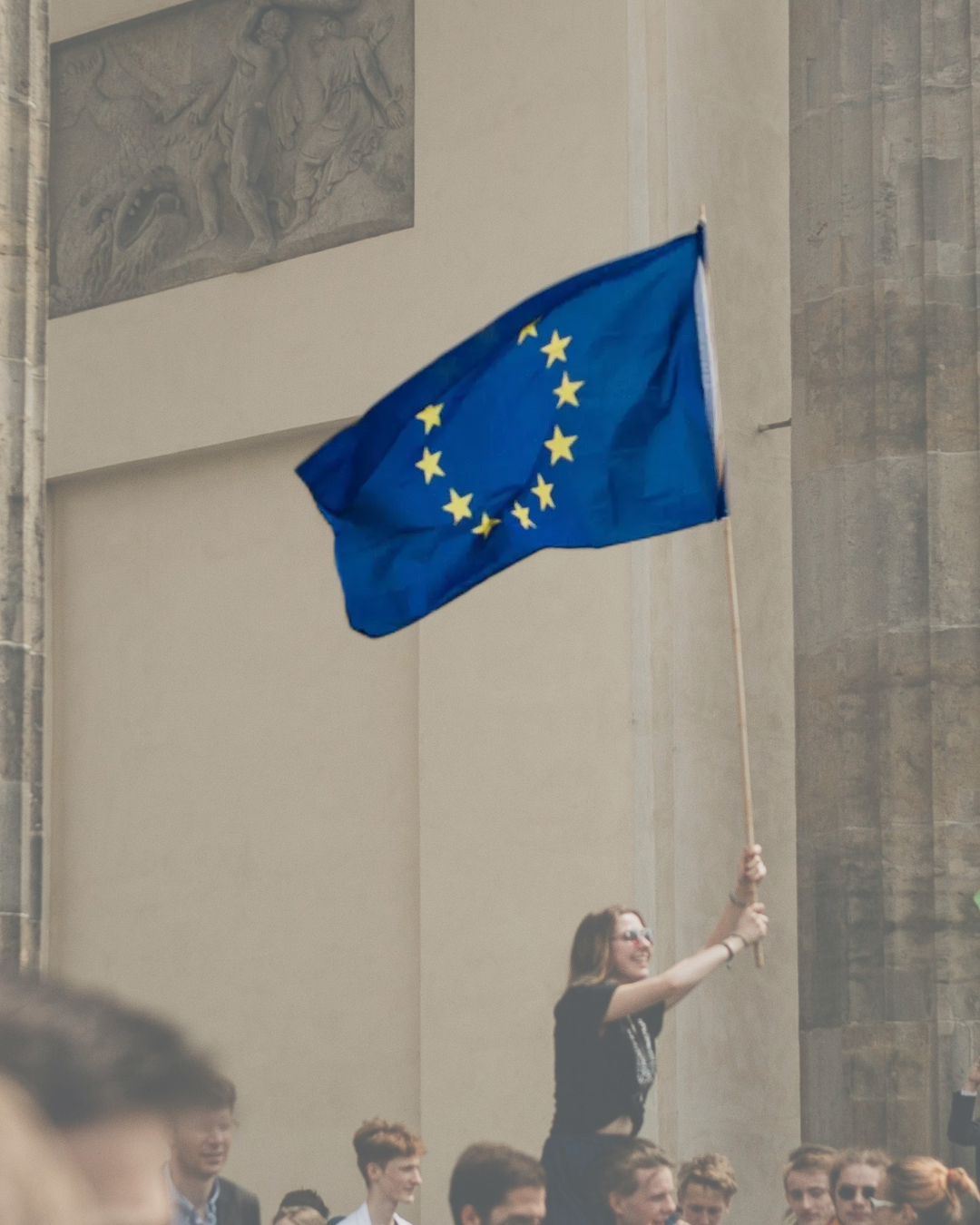
Europe’s streets have become a battleground over more than the cost of living. On October 17, 2026, hundreds of thousands of people took part in demonstrations across France, Belgium, Italy and Portugal, protesting rising expenses, inadequate public services and limited access to affordable housing. In France alone, the Interior Ministry estimated that 550,000 people joined demonstrations nationwide. Most marched peacefully, but some gatherings descended into looting, arson and clashes with police. A fire severely damaged the 143-year-old town hall in Limoges, while shops and other public buildings were targeted elsewhere. The scale of the violence was striking. So was the number of people who had taken to the streets before it began.
The unrest did not emerge overnight. In France, demonstrations began in September with students protesting overcrowded classrooms, teacher shortages and deteriorating school facilities. They later intersected with wider concerns over wages, living costs and proposed cuts to public spending. Elsewhere, the immediate grievances differed. Students in Belgium opposed rising university registration fees, while demonstrators in Portugal demanded higher wages, better pensions and more affordable housing. Italy saw protests over living costs and public services. These were not a single, centrally organised European movement, but separate demonstrations connected by a common frustration: the growing difficulty of meeting basic needs.
The economic figures help explain why these grievances have gained traction. According to Eurostat data analysed by Euronews, food and non-alcoholic beverage prices across the European Union rose by 34% between August 2021 and August 2026. In France, Italy, Spain and Portugal, consumer prices for everyday goods and services increased by between 59% and 78% compared with 2000. Inflation has slowed from its 2022 peak, but slower inflation does not mean prices have returned to their previous levels. For households whose incomes have not kept pace, the accumulated increase continues to constrain spending. A wage may rise on paper while buying less in practice.
Housing makes the squeeze particularly visible to younger Europeans. In Portugal, house prices more than doubled between 2015 and 2024, roughly twice as fast as the EU average, according to figures cited by The Guardian. For young adults trying to leave the family home, establish financial independence or settle in cities where jobs are concentrated, housing costs can turn ordinary milestones into increasingly distant goals. The problem is not identical everywhere: wages, housing markets and public support vary by country. But where essential expenses consume a large share of income, the prospect of saving for a home or building a financial cushion becomes harder to achieve. Economic growth, in other words, does not automatically translate into a greater sense of security for every generation.
Yet economics alone does not explain the political force of the demonstrations. In France, student concerns about school conditions became intertwined with wider opposition to government spending plans and deteriorating public services. The proposed 2027 budget includes €54 billion in spending cuts and tax measures, which the government argues are necessary to reduce the deficit. Unions have objected to measures affecting public-sector pay, among other concerns. This creates a difficult trade-off: governments facing strained public finances may argue that spending restraint is necessary, while citizens question why they should absorb the consequences through weaker services and diminished purchasing power. When these disputes coincide, a classroom without enough teachers can become part of a much larger argument about what the state owes its citizens.
The violence, however, deserves scrutiny on its own terms. Authorities reported around 1,200 arrests and more than 150 injured police officers in France following the October 17 demonstrations, although figures changed as the situation developed. Shops were looted, public buildings damaged and police officers attacked. Such acts impose costs on local communities and can undermine the demands of peaceful demonstrators. Italian Prime Minister Giorgia Meloni condemned those who exploited protests to cause destruction, while French President Emmanuel Macron pledged to prosecute those responsible. These responses reflect a legitimate duty to maintain public order. But treating the entire protest movement as a security problem would risk obscuring the economic and institutional grievances that brought many people onto the streets in the first place.
For Europe's political leaders, the challenge is therefore twofold. They must prevent further violence while demonstrating that peaceful demands can produce meaningful responses. The protests are also unfolding ahead of an important electoral period, with national elections expected in countries including France, Italy, Spain and Poland over the coming year. That timing could push living costs, education and public services higher up the political agenda. It may also create opportunities for political groups to frame the unrest in ways that serve their own interests. Still, the demonstrations should not be treated as evidence of a unified European political shift: their causes, demands and levels of violence vary considerably. What they share is pressure on governments to show that their policies can improve everyday life.
The central question is not whether European governments can restore order to the streets. They have a responsibility to do so. It is whether they can also address the conditions that made so many people willing to protest in the first place. Inflation statistics may show that price increases are easing, and economic indicators may suggest resilience, but neither necessarily captures how secure households feel about their futures. For younger Europeans in particular, the gap between the promise of opportunity and the cost of achieving it may prove politically consequential. If the route to a stable home, decent education and financial independence continues to narrow, how much confidence can governments expect from the next generation?