
How a War Thousands of Kilometres Away Reaches Your Wallet
After Geopolitical Conflict Disrupted Energy, Shipping, And Global Supply Chains.
A war thousands of kilometres away can seem remote from the weekly grocery shop. Yet the distance between a battlefield and a supermarket shelf is often shorter economically than it is geographically. Modern trade connects energy producers, shipping routes, factories, farms and consumers through supply chains that stretch across continents. When one important part of that system is disrupted, the effects can travel surprisingly far.
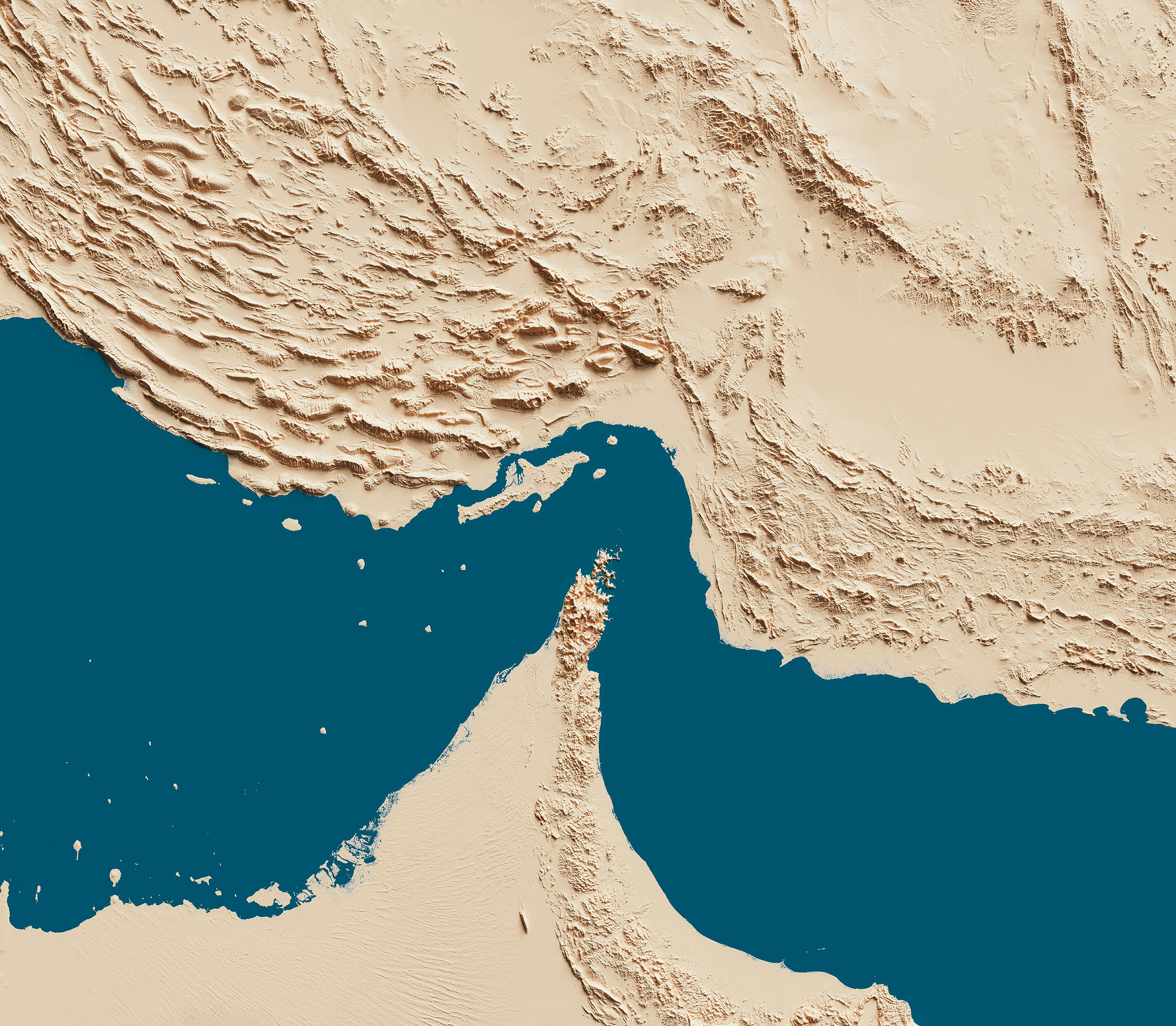
Energy is usually one of the fastest transmission channels. The war in 2026 has disrupted oil production and exports from the Gulf, while restrictions on shipping through the Strait of Hormuz have reduced the amount of oil reaching international markets. In September, the International Energy Agency said oil flows through the strait remained well below their pre-war level and that renewed hostilities had again put upward pressure on benchmark prices.
For households, however, the significance of a higher oil price extends beyond the petrol station. Oil is an input into transport, manufacturing, aviation and petrochemicals. Natural gas also matters for electricity and industrial production, while energy is required to move almost everything from factories and farms to warehouses and shops. Higher energy prices can therefore work their way into the cost of goods that appear to have little connection with geopolitics.
Shipping provides a second route. Conflict around strategically important waterways can force vessels onto alternative routes, increase insurance costs or make transport slower and less predictable. An IMF study published in February 2026 found that longer shipping delays can feed into consumer inflation rather than remaining merely a problem for logistics companies. The researchers estimated that a 100-hour increase in shipping time was associated with an inflation increase of roughly 0.5 percentage points at its peak five months later.
The consequences are particularly visible in food. Energy is needed to produce, process and transport agricultural goods, but the connection goes further. Fertiliser production is highly exposed to energy and commodity markets, while important fertiliser shipments also pass through the Gulf. The World Bank projected in April that fertiliser prices would rise sharply in 2026 as disruptions to energy and commodity markets pushed up production and trade costs. Higher agricultural input costs do not automatically translate into equally large increases at supermarket checkouts, but they add another source of pressure on food production.
This is how a distant war can acquire a surprisingly domestic character. A restaurant may pay more for ingredients and cooking fuel. A logistics company may face higher diesel costs. Manufacturers may pay more for energy, transport or imported materials. Businesses must then decide whether to absorb those costs through lower margins, reduce other spending or pass some of them on to customers. The effect is not uniform, but repeated increases across different parts of the economy can eventually contribute to broader inflation.
The scale of the effect should not be overstated. A geopolitical shock does not determine the price of every product, and higher global commodity prices do not always pass directly to consumers. Exchange rates, taxes, subsidies, inventories, domestic competition and government policy can all weaken or amplify the transmission. The experience of 2026 illustrates this distinction: despite the initial energy shock, the IMF said in July that the global economy had proved more resilient than initially feared and that second-round inflationary effects remained limited.
Yet resilience does not mean insulation. World Bank data published in September showed that its energy price index rose 8.8% in August alone, with crude oil prices up 5.7% and natural gas prices up 10.1%. The IEA warned later that month that oil inventories had continued to fall as Gulf supply remained constrained. Such movements matter because many economies have limited control over the international prices of the commodities they import.
The burden is also uneven. Energy-exporting countries may benefit from higher prices even as importers face larger bills. Richer households generally have more room to absorb increases in necessities than poorer ones. The IMF estimates that food accounts for about 43% of consumption in low-income developing countries, compared with 25% in emerging markets and 12% in advanced economies. The same external shock can therefore be irritating in one household and economically severe in another.
That is the hidden foreign-policy story behind the grocery bill. The price on a supermarket shelf is mostly shaped by familiar forces such as wages, production costs, competition and domestic policy. But it can also contain traces of decisions and disruptions occurring far beyond a country's borders: a closed shipping route, damaged energy infrastructure, a delayed cargo or a sudden shortage of an industrial input. Globalisation has made goods cheaper and supply chains more efficient, but it has also connected everyday consumption to events that consumers cannot easily see.
The more useful question, then, may not be why a distant war affects ordinary consumers at all. In an interconnected economy, some transmission is difficult to avoid. The harder question is how vulnerable countries and businesses remain when a single geopolitical disruption can travel from an oil terminal or shipping lane to transport costs, food production, and eventually the household budget. ◆