
Japan’s Immigration Paradox: More Foreign Workers, Tighter Rules
An ageing Japan increasingly depends on workers from abroad. Yet as their numbers rise, the country is also reconsidering the conditions under which foreigners may work, settle and remain.
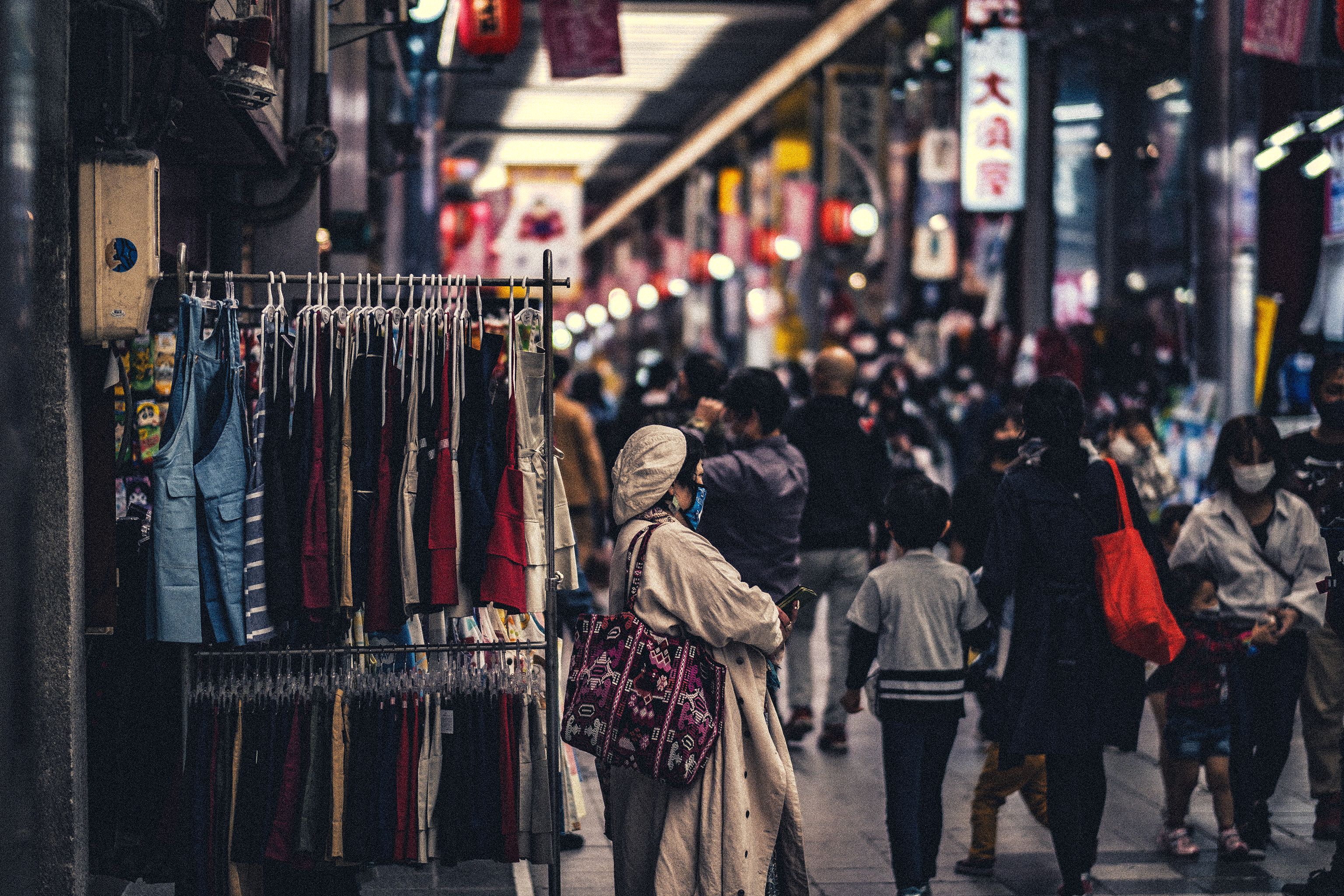
Japan’s foreign-resident population has grown steadily in recent years, alongside increasing demand for workers from abroad. At the end of 2025, 4.13 million foreign residents were living in Japan, a record and 9.5% more than a year earlier. The number of foreign workers had also climbed to 2.57 million, up 11.7%. At the same time, the government is strengthening immigration enforcement and residency requirements. Japan is opening further to foreign labour while becoming more particular about the terms on which foreigners stay.
Demography explains much of the first trend. Japan’s population is shrinking and growing older, leaving companies struggling to fill jobs from elder care and agriculture to logistics and manufacturing. The government’s own projections suggest that its employed population could shrink considerably by 2040. Even ambitious investment in artificial intelligence and automation is unlikely to replace every nurse, driver, restaurant worker or construction employee. For many businesses, recruiting from abroad is becoming less an experiment than a necessity.
Japan has gradually adjusted its labour system accordingly. The Specified Skilled Worker visa, introduced in 2019, created longer-term employment routes for foreigners in industries facing severe shortages. A new employment and skills-development system is also due to replace the much-criticised technical-intern programme. Such reforms suggest that foreign workers are no longer merely a temporary addition to the economy. They are becoming part of how Japan intends to manage its demographic decline.
Yet policy is moving in the opposite direction in other areas. In July the government unveiled a new basic plan for immigration control and residency management, promising stronger screening, greater use of data and tougher enforcement against violations. Requirements for permanent residency are also being tightened, with greater scrutiny of income, pension contributions, language ability and integration. From October, fees for some residence procedures will rise sharply; applying for permanent residency will cost ¥200,000, compared with ¥10,000 previously.
The government argues that these policies need not contradict the recruitment of foreign workers. Japan can require overseas labour while also demanding that residents comply with tax, social-insurance and immigration rules. Previous governments described this approach as creating an “orderly and harmonious coexistence” with foreign nationals. Concerns about overstaying, misuse of administrative systems and difficulties surrounding rapid social change have become more politically visible as the foreign population has grown. In this interpretation, tighter administration is meant not to end immigration, but to preserve public confidence in it.
Business leaders warn that Japan must not only decide whom it is prepared to accept but also persuade foreign workers to choose the country. Keidanren, the country’s largest business federation, has called for a shift from “acceptance to strategic attraction” of foreign talent. In July it again warned that international competition for skilled workers was intensifying and argued that Japan should aim to become a country that talented foreigners actively choose. South Korea, Taiwan and other ageing economies are confronting similar labour problems. Japan therefore has competitors for the people it increasingly needs.
For foreign residents themselves, predictability can matter as much as openness. Some who have spent years preparing for permanent residency say changing requirements have complicated plans built around the old system. Leshe Scott, a foreign resident interviewed by The Japan Times, said people who had followed the existing pathway were now “suddenly feeling derailed from that trajectory.” Tougher standards may reassure those worried about weak enforcement, but frequent or substantial rule changes can also make long-term settlement less attractive to workers whom Japan hopes to retain.
The subject has also acquired greater political weight. During the 2025 upper-house election, the populist Sanseito party gained ground with its “Japanese First” campaign and calls for tighter policies towards foreigners. Yet the political picture is more complicated than a simple backlash against immigration. In an NHK poll cited by Reuters before that election, immigration was the main concern of only 7% of respondents, well behind social security, the declining birth rate and rising food prices. Foreign residents remain a small share of Japan’s population by the standards of many Western countries, even as their presence becomes increasingly visible.
Japan may therefore be confronting something broader than a choice between being “open” or “closed” to immigration. It is trying to recruit more people from abroad, retain the workers its economy needs, enforce existing rules and respond to a public still adjusting to a more diverse society. Those objectives are not necessarily incompatible, but balancing them may become harder as demographic pressures intensify. Can Japan continue expanding its reliance on foreign labour while remaining cautious about permanent immigration? And as temporary workers put down roots, where should the line between labour policy and immigration policy be drawn?